Help improve this
Back to Library

Dariya Ki Kasam

Written by
urdusong

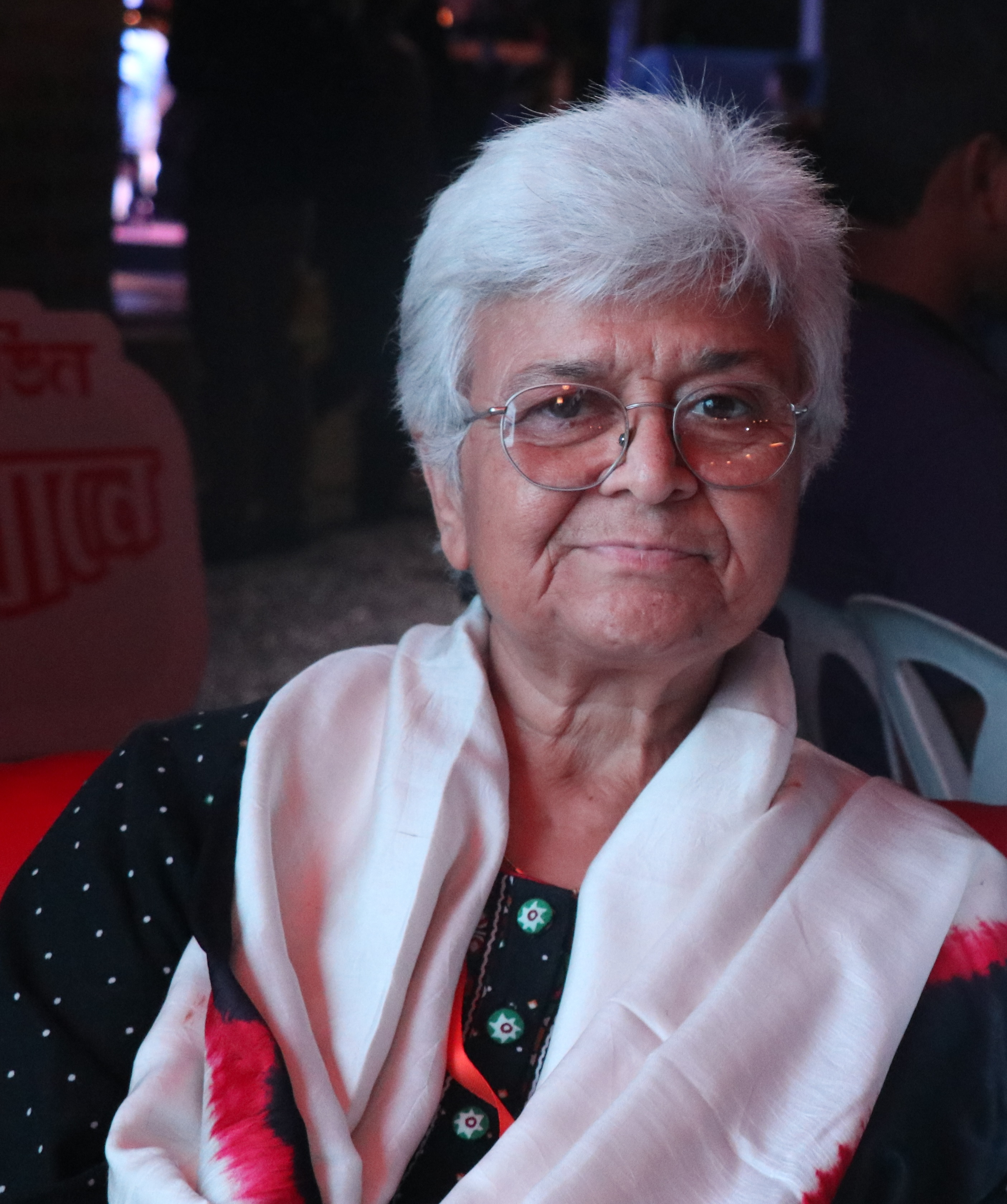
Written by Kamla Bhasin (1946-2021), an Indian feminist activist born in pre-Partition Punjab. This song became one of several protest anthems Bhasin composed using folk melodies to mobilize women across South Asia. It was performed at feminist gatherings in both India and Pakistan throughout the 1990s. Bhasin co-founded Jagori, a women's resource organization in Delhi, in 1984, and later led Sangat, a South Asian feminist network. She died of cancer in September 2021, and her songs continue to be sung at women's marches across the subcontinent.

Listen

Listen

Breakdown

Notes
English
Transliteration
urdu
By the oath of the river, by the oath of the waves, this warp and weft will change
dariyariver ki qasamoath maujonwaves ki qasam,oath ye tana-banawarp weft badlegawill change
دریا کی قسم موجوں کی قسم، یہ تانا بانا بدلے گا
Change yourself, change yourself, only then will the world change
tu khudself ko badalchange tu khudself ko badal,change tabthen hionly to zamanaworld badlegawill change
تو خود کو بدل تو خود کو بدل، تب ہی تو زمانہ بدلے گا
Notes

Tana-bana literally means warp and weft, the two sets of threads that cross each other on a loom to form fabric. It is a common South Asian metaphor for the fabric of society, the way everything is woven together. Bhasin is saying that the entire social structure, not just individual parts of it, needs to be rewoven.

If you kept enduring in silence, will this world change?
tu chupsilent rehremain kar jo sahtiendure rahikept to, kya ye zamanaworld badlegawill change
تو چپ رہ کر جو سہتی رہی تو، کیا یہ زمانہ بدلے گا
You will speak, you will open your mouth, only then will the world change
tu bolegiwill speak munhmouth kholegi,will open tabthen hionly to zamanaworld badlegawill change
تو بولے گی منہ کھولے گی، تب ہی تو زمانہ بدلے گا
Old customs of centuries, where did they come from, why did they come?
dastoorcustoms puraneold sadiyoncenturies ke, wo aayecame kahanwhere se kyunwhy aayecame
دستور پرانے صدیوں کے، وہ آئے کہاں سے کیوں آئے
Think a little, understand a little, why have you adopted these?
kuch to sochothink kuch to samjho,understand ye kyunwhy tumne apnayeadopted hain
کچھ تو سوچو کچھ تو سمجھو، یہ کیوں تم نے اپنائے ہیں
Notes

Bhasin is asking women to trace patriarchal customs back to their origins, suggesting that traditions passed down as sacred or inevitable were likely created by people with interests of their own.

This veil of yours, what kind is it, is it a part of religion?
ye pardaveil tumhara kaisawhat kind hai, kya ye mazhabreligion ka hissapart hai
یہ پردہ تمہارا کیسا ہے، کیا یہ مذہب کا حصّہ ہے
What kind of religion, whose veil, this is all men's part
kaisawhat kind mazhabreligion kiskawhose parda,veil ye saball mardonmen ka hissapart hai
کیسا مذہب کس کا پردہ، یہ سب مردوں کا حصّہ ہے
Notes

Parda, the practice of veiling and seclusion of women, is presented here not as settled religious doctrine but as something to be interrogated. Bhasin performed this at a time when questioning parda was considered blasphemous in many communities across South Asia.
Raise your voice, join your steps, increase the pace a little more
awaazvoice utharaise qadmonsteps ko mila,join raftaarpace zaraa little kuch aurmore badhaincrease
آواز اٹھا قدموں کو ملا، رفتار ذرا کچھ اور بڑھا
Rise from the north, rise from the south, rise from the east, rise from the west
uttarnorth se uthorise dakshinsouth se utho,rise poorabeast se uthorise paschimwest se uthorise
اتر سے اٹھو دکھن سے اٹھو، پورب سے اٹھو پچھم سے اٹھو
Then the entire world will change
phirthen saraentire zamanaworld badlegawill change
پھر سارا زمانہ بدلے گا